
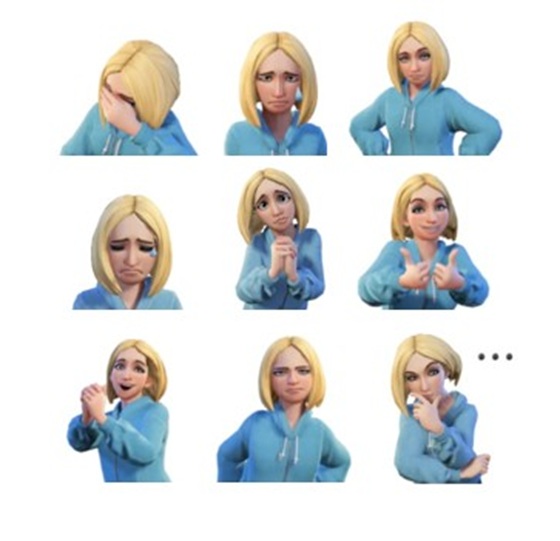
Have you ever had to deal with a disappointment at work and struggled to put your best foot forward? Perhaps you thought you were a ‘shoe-in’ for a role that you really wanted but you didn’t get it?
Or you thought a project you’d carefully planned and worked hard for would be a great success .. but then it wasn’t?
When these sorts of things happen, we get an emotional reaction. And it can be hard to manage those emotions, especially when our thinking runs away with us too.
I had something happen to me recently that reminded me that, even when we know what we should do, it can be hard to regulate our emotions. While not in the work environment, the learning and the way to come through the other side effectively are the same.
Over the last 8 months I’ve worked hard to get selected for the West of England hockey squad for my Masters age group. There were 3 trials – one in October, one in November, and one in February. I worked hard at my fitness with a targeted work out schedule, I also worked on my mindset and thinking patterns to be confident on the pitch. Just 4 weeks ago I found out that this had paid off and I was selected to be in the squad to play against the North, South and East teams on the last weekend in May. So far so good.
Two weeks after that, I was playing my second to last league game of the season for my local team and had an unfortunate accident where I was tripped from behind and immediately felt an injury that appeared to be quite severe in my hamstring.
And that’s where the emotions fired up .. immediately .. including tears .. from the pain, from frustration as my brain quickly calculated what this would likely mean and went into ‘worst case scenario’ mode.
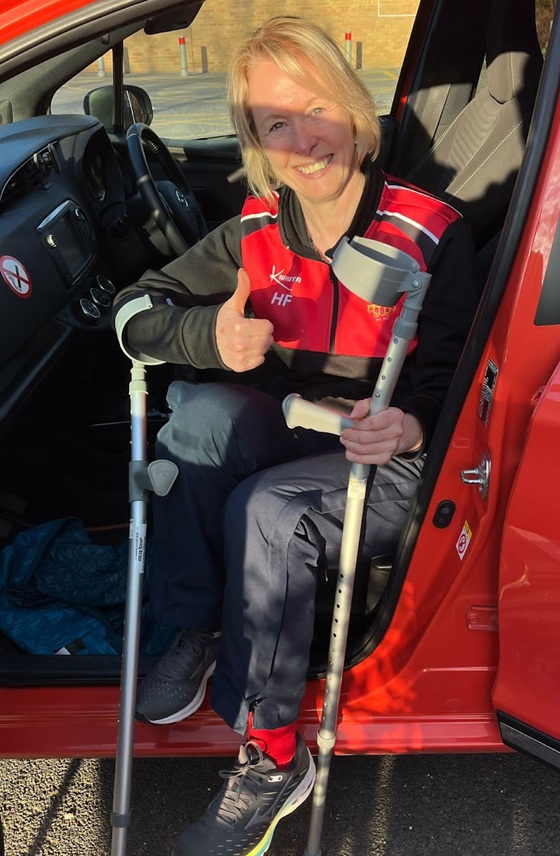
I went through a bit of a rollercoaster of emotions over the next few days. I did what comes easier to me – focused on thinking and problem solving – what could I control? How could I make things right? I set up a physio appointment, I started my exercises, I booked in for an MRI scan. That’s fine as far as it goes. What I didn’t do was to consider how to manage my emotions – despite being a qualified emotions coaching practitioner … oh the irony! And that caused me some wasted energy, lack of sleep, and lack of focus with my work – none of which were helpful.
On the plus side, it means I can much better identify with those that I am coaching when emotions are causing a block to them reaching their goals.
So what could I have done? And what do I recommend if you are dealing with a disappointment and being consumed by your emotions?
4 Steps to understand your emotions and move forward
- If your emotions are taking over your ability to think clearly, start by aiming to get them to a lower level of intensity by influencing your physiology – take some slow, deep breaths and focus on your senses – what can you see around you, what can you hear? What other ways do you know that work for you to get yourself into a calmer, more helpful state (Exercise? A walk in the fresh air?)
- Do a stock take of the emotions that you are aware of. You can feel more than one emotion at time. I was frustrated, disappointed, annoyed initially but cycled into quiet optimism and hope followed by more frustration, some anger and even despair on occasion. You can use an emotions wheel to help you pin point the emotions (there are many freely available on the internet if you search).
- Consider what you are thinking that links to each emotion. What does that tell you? Where can you let go because it is something you can’t do anything about? Where can the emotion actually be helpful? Is there an unmet need that you could address?
- How would you like to feel? What would it take to be able to move towards that feeling? What do you have within your control or influence that can support you to make some movement?
Our emotions are useful data for us if we take time to understand them. We are not always comfortable experiencing them and we don’t always realise that we can influence them rather than being held hostage by them.
I believe I am potentially on a bit of a long road to recovery with my hamstring – I’ll know more after my scan results (from the excellent Taunton Diagnostic Centre) – I suspect there will be more emotions (hopefully more that we’d traditionally label as positive ones!). For now, I’m glad that I’ve recognised the opportunity to notice my emotional responses a bit earlier and to make more of a conscious choice as a result about how to learn from them and how to move forwards.
How aware are you when caught in the grip of an emotion? Do you have any strategies that work for you to be able to put your best foot forwards? What difference could this make to you in the work environment?

Leave a Reply