

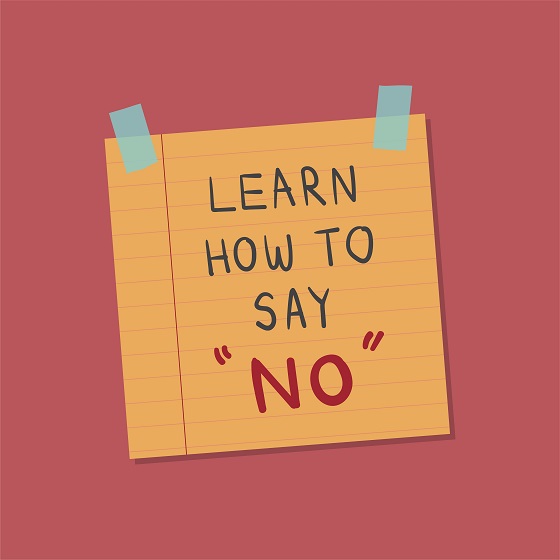
Following on from my January post, I’ve been reflecting on the positive power of the simple word “No”. Recently, some of the managers and leaders that I have been coaching have been wrestling with finding (or making) time to do the ‘right’ things, in part because they have taken on work for others. This assumes of course that they have determined what the ‘right’ things are – both for their organisation but also for themselves.
In this short blog I’m exploring some considerations for managers and leaders who may find themselves in the same position.
Being effective … in principle
Let’s consider that a leader wants to ensure that they are making a difference. Part of the equation for this is to be effective (doing the right things). Simply put, and to meet the needs of their organisation, this requires being clear on the longer terms goals and objectives for their part of the organisation and the strategies to get there. From there, it is about making choices about what to focus on to ensure the strategies are delivered…. At least, that is how it works in theory.
However, in reality, often there are other factors – changing corporate priorities, needs of other stakeholders outside of their part of the organisation, and unforeseen challenges that need to be dealt with. If we are not careful as managers and leaders, we end up taking on more and more work without recognising what the consequences of this will be until it is too late. What we need to be able to do is to say No (or to at least negotiate) but we don’t always do this.
Why can’t we say No?
- Personal values/needs – as touched on in last month’s blog, sometimes we are driven to behave in a certain way because of our values – often with good intentions – but this can work against us. If we have a value of ‘service’ – wanting to be of service – or we have a need to be liked and don’t like to disappoint others, we are likely to take on extra work without thought when someone asks for help and yet on a bigger scale we are not being of service (as we can’t then get everything done) and we are likely to disappoint (fulfilling one person’s ask may be at the cost of another priority).
- Company values or behaviours – sometimes well intentioned company values can have unintended consequences – a value which states ‘we satisfy and delight our customers’ may drive someone to take on more and more requests from a customer which are out of scope; a value which is described as ‘we are ‘can-do’ and collaborative’ may result in a feeling that it will be frowned upon if we don’t work with others to support their goals even though this will be at a cost to the fulfilment of our own goals.
Start a ‘No’ revolution!
What if a personal value of ‘service’ could be re-framed to align to our higher priorities – is what I am being asked to do in service of the broader priorities and the value that these will deliver? If not, find an appropriate way to say ‘No’.
What if a company value related to having a ’can-do’ attitude meant embracing the ability to say ‘No’ so that we spend time on the real priorities?
I encourage you to keep your high level priorities front of mind each and every day so that you make a conscious choice if you do take on additional work, being sure to say ‘no’ if needed (or negotiate on what might be possible). After all, as a manager of people, if you don’t say no, it impacts all of your team not only because there is additional work-load but because of what you are role modelling to them.
What can you say ‘No’ to this week?

Leave a Reply